
Distancing Meditation
A Path to Emotional Balance
In a world that often overwhelms us with emotions and thoughts, finding calm amidst chaos can seem elusive. Distancing Meditation offers a powerful tool to create a sense of space between ourselves and our emotions, allowing for clarity and emotional regulation. It’s a practice that invites us to zoom out from the overwhelming presence of our internal landscape, enabling us to view both our thoughts and feelings from a broader, more peaceful perspective.
What is Distancing Meditation?
Distancing Meditation involves consciously shifting our awareness from something close to us—like a thought or feeling—to something external and far away. The practice moves through three distinct stages:
1. Internal Awareness: First, we focus our attention on a thought or emotion that feels very close and immediate, often overwhelming. Instead of pushing it away, we observe it without judgment.
2. External but Close Awareness: Next, we shift our attention to something external but within our physical proximity, such as our hand or another body part. This shift creates a sense of distance from the internal thought or emotion, giving us space to breathe.
3. Distant Awareness: Finally, we move our focus to something much farther away, perhaps imagining something vast and distant, like the stars or the horizon. A popular image is that of the “Pale Blue Dot,” a reference to Earth from an astronomical perspective. This term comes from a photograph taken by the Voyager 1 space probe in 1990, where Earth appears as a tiny speck in the vastness of space. This reminds us of our small place in the cosmos, helping us gain perspective and release the intensity of emotions.
How Does It Help?
This methodical distancing helps in several key ways:
1. Reduces Emotional Overwhelm: By shifting attention away from the immediate emotion to something outside ourselves, we create space between us and our emotional response. This allows us to observe our feelings without becoming consumed by them.
2. Promotes Mindfulness and Presence: Distancing Meditation trains us to stay present, even as we shift our focus from internal to external. This enhances our ability to be mindful and centered in the midst of emotional turbulence.
3. Fosters Emotional Regulation: Through this practice, we become less reactive and more intentional in how we respond to emotions, leading to greater emotional resilience.
When to Use Distancing Meditation
Distancing Meditation is particularly useful in moments of emotional intensity. If you’re feeling overwhelmed by stress, anxiety, or even happiness, the practice can help you find balance. It’s also effective in dealing with long-term emotional patterns, such as chronic worry or anger, by providing a way to interrupt these cycles and regain control.
You can incorporate this practice into your regular meditation routine to enhance emotional awareness and develop better control over your responses.
The Science Behind It: Emotions and Psychology
Emotions trigger complex biochemical processes in the brain. When we experience strong emotions, the amygdala, responsible for emotional responses, takes over, often bypassing the prefrontal cortex, which governs rational thinking. This is why we tend to react impulsively when we’re upset or excited.
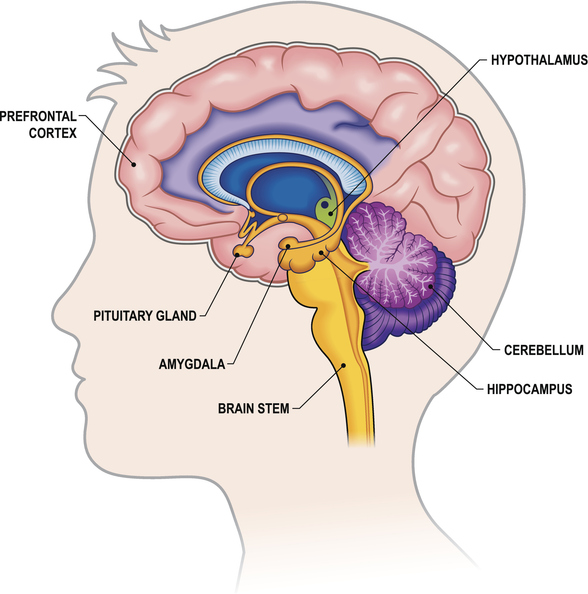
Distancing Meditation helps activate the prefrontal cortex, allowing us to slow down and make more thoughtful decisions. Research shows that mindfulness practices, like this one, can rewire the brain over time, reducing the size of the amygdala and strengthening the prefrontal cortex. This leads to better emotional regulation and less reactivity.
Managing Difficult and Positive Emotions
Often, we tend to suppress or avoid difficult emotions, believing that if we push them away, they will disappear. However, suppressing emotions can lead to them resurfacing with greater intensity. Distancing Meditation teaches us not to push emotions away but to observe and accept them with non-attachment.
Even positive emotions, when too intense, can distort our judgment. By observing emotions—whether joyful or sorrowful—we can prevent them from taking control and maintain a sense of balance.
Should We Push Away “Bad” Emotions?
The answer is no. Pushing away emotions is like trying to trap air—it will always escape eventually. Instead, through Distancing Meditation, we learn to witness these emotions and allow them to pass naturally without being swept away by them.
This ties into the yogic principle of Pratipaksha Bhavana, which encourages us to replace negative thoughts with positive ones. This doesn’t mean denying negative emotions but reframing them. For example, when faced with anger, instead of reacting, we can pause and cultivate thoughts of understanding or compassion.
By practicing Distancing Meditation in conjunction with Pratipaksha Bhavana, we can shift the way we experience emotions. We create space, observe, and then gently replace negative emotions with more constructive and empowering thoughts.
The Power of the “Pale Blue Dot”
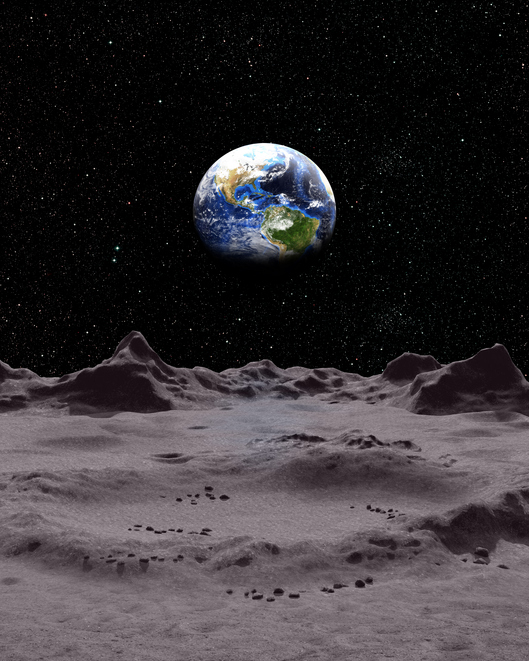
One of the most effective visualizations in Distancing Meditation is imagining the Pale Blue Dot. This image, captured by Voyager 1, shows Earth as a tiny speck in the vast expanse of space. By focusing on something so distant and vast, we gain a sense of perspective, helping us see that our emotions, no matter how intense, are but a small part of a much larger picture. This cosmic viewpoint can bring profound peace and humility, reminding us that we are part of something much greater than our immediate feelings.
Conclusion
Distancing Meditation is a transformative practice for emotional balance. It helps us step back from the immediacy of our thoughts and feelings, giving us the space to observe, reflect, and respond rather than react. When combined with the wisdom of Pratipaksha Bhavana, this practice offers a powerful way to cultivate emotional resilience, mindfulness, and a sense of peace.
At Balanced Planet Yoga, we offer opportunities to explore many forms of meditation, including Vipassana, mindfulness, Yoga Nidra, and more. We also host a free morning meditation to help you cultivate these practices in your daily life. Whether you’re navigating difficult emotions or just seeking a moment of calm, Distancing Meditation and our other offerings can help you find balance and clarity, no matter what life brings your way.

